Resilience Built From Within, Not Imposed From Outside
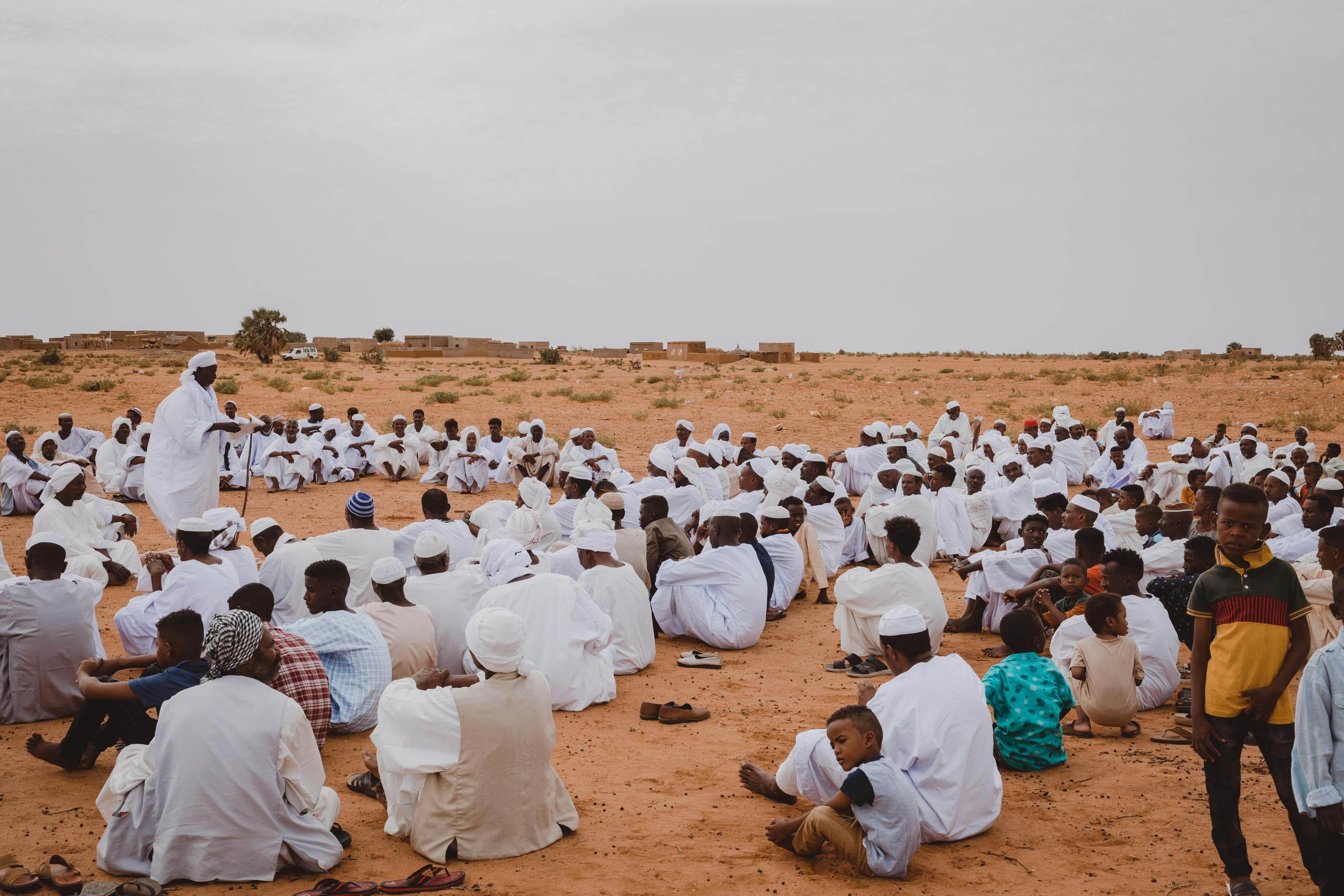
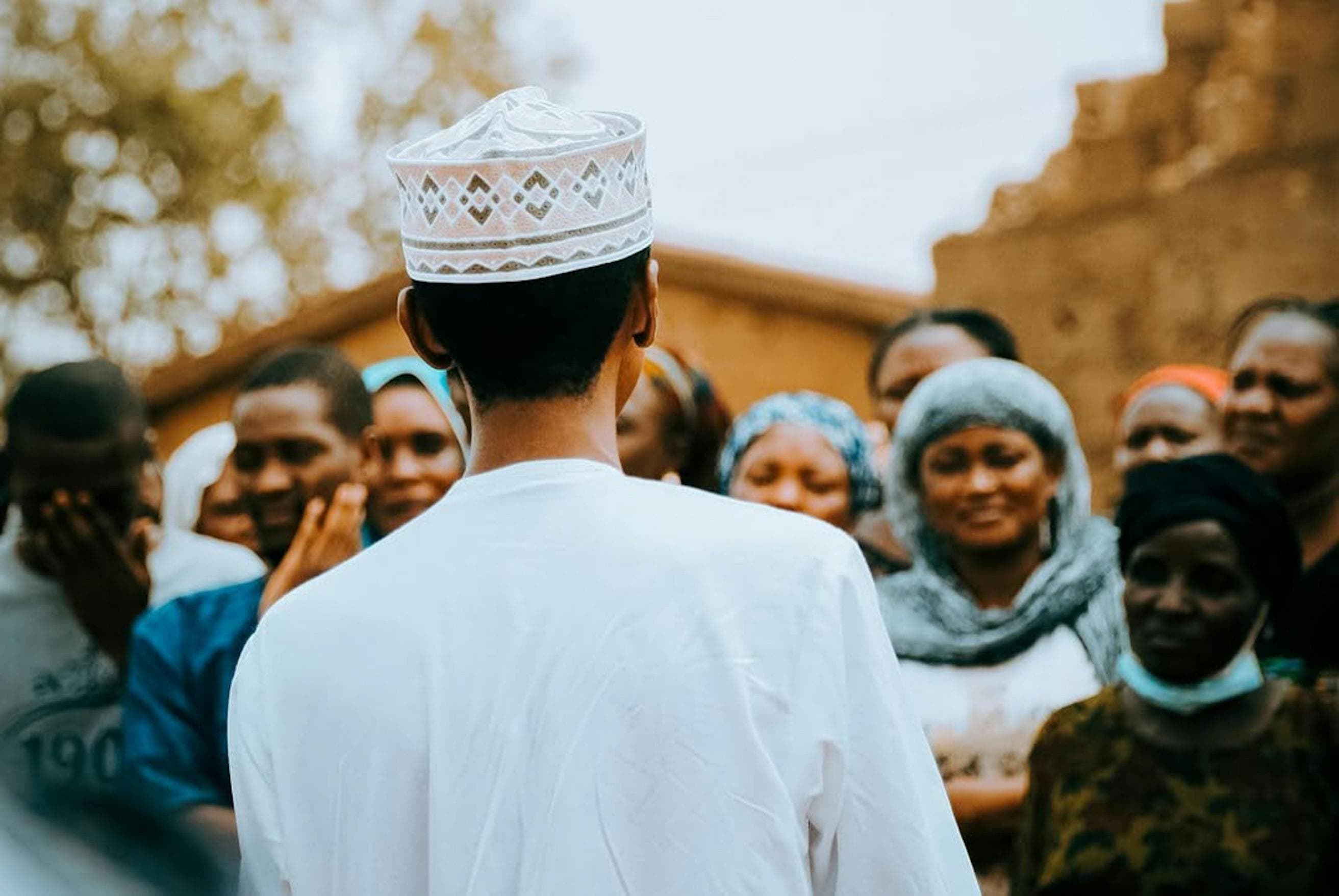
PAN believes that the most durable resilience is the kind communities build for themselves. Our role is to provide the tools, resources, and technical expertise, but the vision, leadership, and ownership always belong to the communities we serve.
In Somalia's complex and fragile environment, resilience is not just about surviving crises, it is about building the social capital, local institutions, and service systems that make communities less vulnerable to future shocks.
From restoring water points to rebuilding schools, from trauma healing to vocational skills. PAN's resilience programs treat every dimension of community wellbeing as interconnected.

Six Pillars of Community Resilience
Livelihood & Food Security
Supporting community-led agricultural initiatives, vocational training, and income diversification to reduce economic vulnerabilities that fuel conflict.
WASH & Basic Services
Restoring access to clean water, sanitation, and hygiene infrastructure in underserved areas, the foundation of healthy, functioning communities.
Health & Psychosocial Support
Mobile health outreach, maternal care support, and trauma-informed psychosocial programs for communities affected by prolonged conflict.
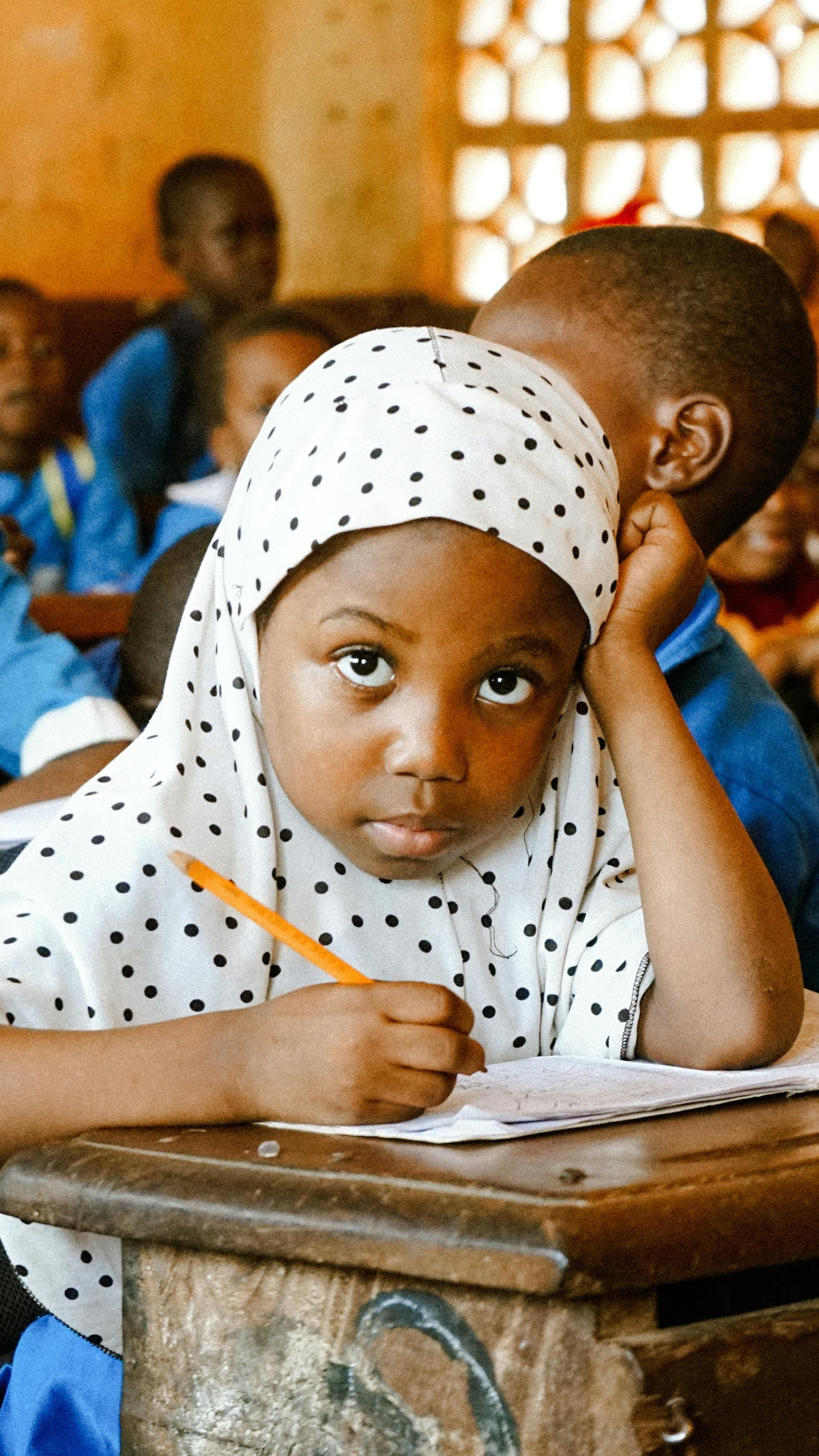
Education & Capacity Building
Restoring learning environments, training community educators, and building local capacity to sustain service delivery independently.
Civilian Protection
Community-based protection networks, safety monitoring, and rapid response mechanisms that keep vulnerable populations safe in volatile areas.
Information & Communication
Reliable, verified information networks that counter rumour and misinformation — keeping communities informed and connected during crises.